
 Customer



BLACK FRIDAY SALE EXTENDED! GET 5% OFF! OFFER EXPIRES IN:
The 5.9L Cummins has a strong reputation for durability, heavy torque, and impressive performance potential. Even so, a dependable diesel engine still relies on a healthy fuel injection system to make consistent power. For anyone driving a 2005 Dodge Ram 2500 or 3500, 2005 Cummins injectors play an important role in fuel delivery, combustion, and overall engine operation.
Instead of older mechanical parts, the 2005 5.9L Cummins uses an electronic, high-pressure common-rail fuel system. This modern setup controls fuel delivery with accuracy and keeps the engine running smoothly. However, worn or malfunctioning injectors can contribute to hard starting, rough idling, excessive smoke, and reduced power.
Whether you are troubleshooting a fuel-system problem, replacing worn components, or researching upgrades, understanding how 5.9 Cummins injectors work helps you choose wisely.
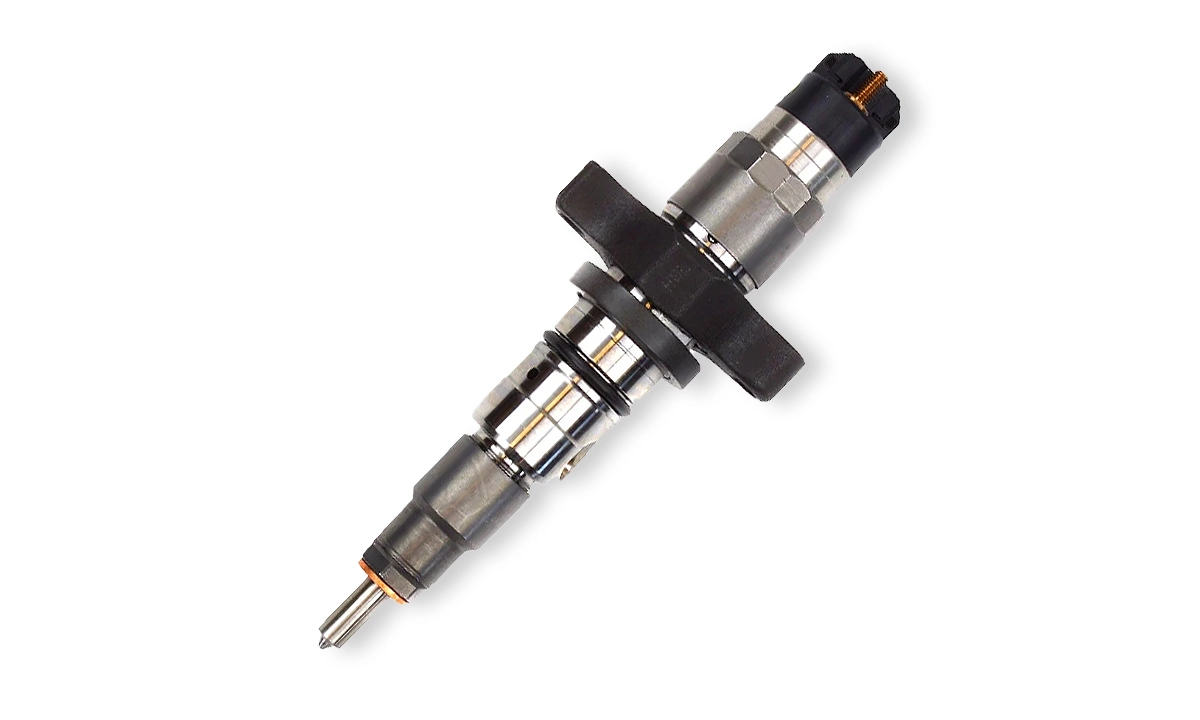
The 2005 Dodge Ram runs a 5.9L ISB Cummins inline-six diesel engine with an electronically controlled Bosch high-pressure common-rail fuel injection system.
Unlike older mechanical setups, common-rail technology uses a high-pressure pump to supply fuel into a shared rail. Six electronically controlled injectors then spray that fuel directly into respective cylinders.
The system depends on four key parts working together:
Every injector has to deliver the right fuel volume with the correct spray pattern. When an injector develops an internal problem, combustion becomes rough, affecting engine smoothness and overall performance.
Common-rail injectors contain delicate internal parts that work under demanding conditions. Dirty fuel, poor filtration, and normal wear can quickly hurt how well they perform. Healthy fuel injectors keep combustion smooth and balanced across all six cylinders—especially important for trucks used for heavy towing, hauling, or demanding daily work.

Injector issues usually build up slowly over time. Recognising early changes in how your engine runs helps you identify fuel system trouble sooner.
Hard Starting and Extended Cranking
If your Cummins cranks longer than usual before starting, a worn injector could be one possible cause. Too much internal injector leakage can affect the fuel system’s ability to maintain enough rail pressure. However, a failing CP3 pump, restricted fuel flow, or electrical issues can create similar symptoms.
Rough Idling and Engine Vibration
A properly running 5.9L Cummins should have a steady, smooth idle. If the engine starts shaking, vibrating, or running unevenly, inconsistent fuel delivery could be contributing to the issue. A worn injector can deliver an incorrect amount of fuel, creating uneven combustion between cylinders head.
Excessive Exhaust Smoke
Changes in exhaust smoke color give useful diagnostic clues:
Turbocharger problems, restricted airflow, and other mechanical faults can also trigger unusual exhaust smoke.
Reduced Power and Poor Acceleration
If your truck feels sluggish, struggles when towing, or accelerates inconsistently, faulty injectors might be restricting proper fuel delivery. A restricted fuel supply, low fuel pressure, or turbocharger issues can cause similar performance drops.
Increased Fuel Consumption
Failing injectors can contribute to inefficient combustion and noticeably higher fuel consumption. However, road conditions, fuel quality, and other engine faults also affect mileage. A proper diagnostic test is crucial before spending money on injector replacement.
While the 5.9L Cummins is famous for durability, its fuel injection system still suffers from normal wear and contamination.
Fuel Contamination and Poor Filtration
Dirt, water, and other contaminants can damage precision injector parts. The fuel filter blocks these contaminants before they enter the injection system. Neglecting regular filter replacement can significantly increase the chance of serious fuel system issues. Using quality diesel and following the recommended filtration schedule are key ways to prevent damage.
Normal Wear and High Mileage
Continuous daily use gradually wears down internal injector parts. Over time, this can hurt fuel delivery, spray patterns, and internal sealing.
Supporting Fuel-System Problems
Injectors rely on the CP3 pump, fuel rail pressure- control parts, and supply lines. When one of these components fails, it often creates symptoms that look just like failed injectors. A proper diagnostic check prevents unnecessary replacement costs.
Choosing replacement injectors takes more than just matching engine displacement. Model year, horsepower rating, engine setup, and original equipment numbers all matter.
Two popular Bosch injector numbers for the 2004.5–2007 325-horsepower pickup application are:
Replacement catalogs may also list updated or cross-referenced numbers. Always confirm exact fitment using your engine serial number (ESN), Cummins CPL, and existing injector identification before ordering.
The 2006 Dodge Ram 5.9L 325-horsepower pickup configuration uses the same basic injector setup as the 2005 model. Because of this, 2006 Cummins 5.9 injectors usually share the same Bosch replacement family. However, always verify your part number and engine setup before buying.
The 2007 model year demands extra caution because Dodge transitioned from the 5.9L Cummins to the 6.7L Cummins during production.
Early 2007 pickups kept the 5.9L engine, while late 2007.5 trucks received the 6.7L platform.
Consequently, 2007 5.9 Cummins injectors should not be confused with newer 6.7L parts. This distinction applies equally to 07 5.9 Cummins injectors. Always verify the exact engine before buying replacement components.

After finding the right injector fitment, choose whether brand-new or remanufactured components better suit your budget and other requirements.
Cost-effective alternative: Rebuilt and tested to strict standards according to the remanufacturer’s procedures. These can offer a solid replacement option when sourced from a reputable diesel fuel-system specialist.
Key buying factors:
Value over price: A cheaper purchase price doesn’t guarantee better value. Always prioritize consistent quality and exact fitment.

The right injector choice depends on how you drive your truck and what engine upgrades you already have.
Stock replacement injectors are suitable for trucks used for everyday commuting, hauling, and towing with factory-style fuel-system setups. Their main job is restoring factory fuel delivery rather than significantly adding fuel capacity. For drivers who prioritize long-term reliability over maximum horsepower, correctly matched stock replacements make the smartest choice.
Performance injectors deliver extra fuel flow for modified engines. They come in different flow capacities, usually expressed as a percentage over stock. However, larger injectors will not automatically create more horsepower.
Their effectiveness depends on your entire engine setup, including:
Always evaluate your complete engine setup instead of selecting injectors by advertised horsepower numbers alone. For a daily-driven or towing truck, overly large injectors usually demand custom tuning and expensive supporting upgrades.
Before buying replacement parts, keep these important factors in mind:
Taking good care of your 5.9 Cummins fuel injection system goes a long way toward protecting your engine and keeping performance consistent. While routine upkeep cannot stop normal component wear over high mileage, regular maintenance will prevent most avoidable fuel-system concerns.
To get the longest life out of your injectors, stick to the manufacturer’s recommended maintenance intervals and always fill up with clean, high-quality diesel from reputable suppliers. Keep an eye on the entire fuel system—including the CP3 pump and supply lines—and if you ever decide to upgrade, make sure your new injector size properly matches your truck’s fuel and airflow setup. Above all, never ignore early warning signs like hard starting, unusual exhaust smoke, rough idling, or sudden power loss. Identifying small problems early saves you from costly repairs down the road.
Find the Right Parts for Your Cummins Project With TrachTech Fasteners
Are you maintaining your 2005 Cummins or planning a performance upgrade and looking for the right parts for your next project?
At TrachTech Fasteners, picking the suitable components starts with understanding your vehicle’s exact requirements. Whether you are researching replacement parts or tackling a full diesel maintenance project, exact application and quality count. Before purchasing injectors for your 5.9L Cummins, verify engine identification details, injector specifications, and fuel-system compatibility.
Visit TrachTech Fasteners for your parts and fastener needs and make confident decisions about your next diesel project.
What are 5.9 Cummins injectors?
5.9 Cummins injectors are electronically controlled common-rail parts that deliver high-pressure diesel fuel into each cylinder, ensuring clean combustion, strong performance, and steady engine power.
Are 2007 5.9 Cummins injectors the same as 2005 injectors?
Early 2007 5.9L 325-horsepower pickups usually share the same 2005 injector family. Always check your engine identification and part numbers before buying.
Are 2006 Cummins 5.9 injectors compatible with a 2005 model?
Yes, in most cases. Standard 2005 and 2006 325-horsepower pickups share the same injector family. Confirm compatibility using your engine serial number and CPL.
What are 07 5.9 Cummins injectors?
07 5.9 Cummins injectors are the common-rail fuel injectors used in early 2007 Dodge Ram trucks running the 5.9L Cummins engine.
Are 5.9 Cummins Bosch injectors a good replacement option?
Yes. Bosch injectors are a trusted, factory-grade replacement choice for the 5.9L Cummins. Always confirm the correct application, part numbers, testing standards, and warranty coverage first.