
 Customer



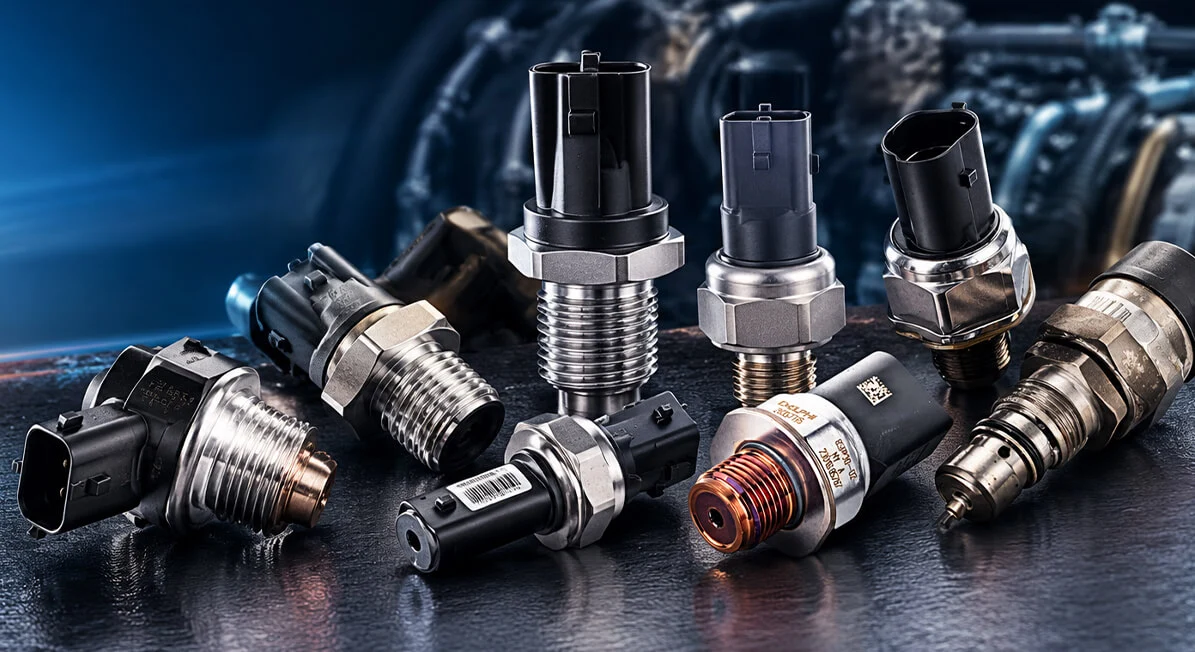
Does your car have problems with slow acceleration, engine misfires, and low gas mileage? These symptoms indicate that there is a problem with a fuel pressure sensor. You may need to replace your fuel rail pressure sensor or check your fuel pressure regulator symptoms. When the fuel pump sensor is faulty, or there is erratic fuel rail pressure, it might lead to serious problems in the engine and even create dangerous situations on the road.
In this blog, we will show you how to recognize the most common symptoms of a bad fuel rail pressure sensor. Also, we will provide you with a step-by-step instruction on how to change the faulty fuel rail pressure sensor, as well as instructions on how to read fuel rail pressure sensor diagrams in your car and what to do to solve a problem.
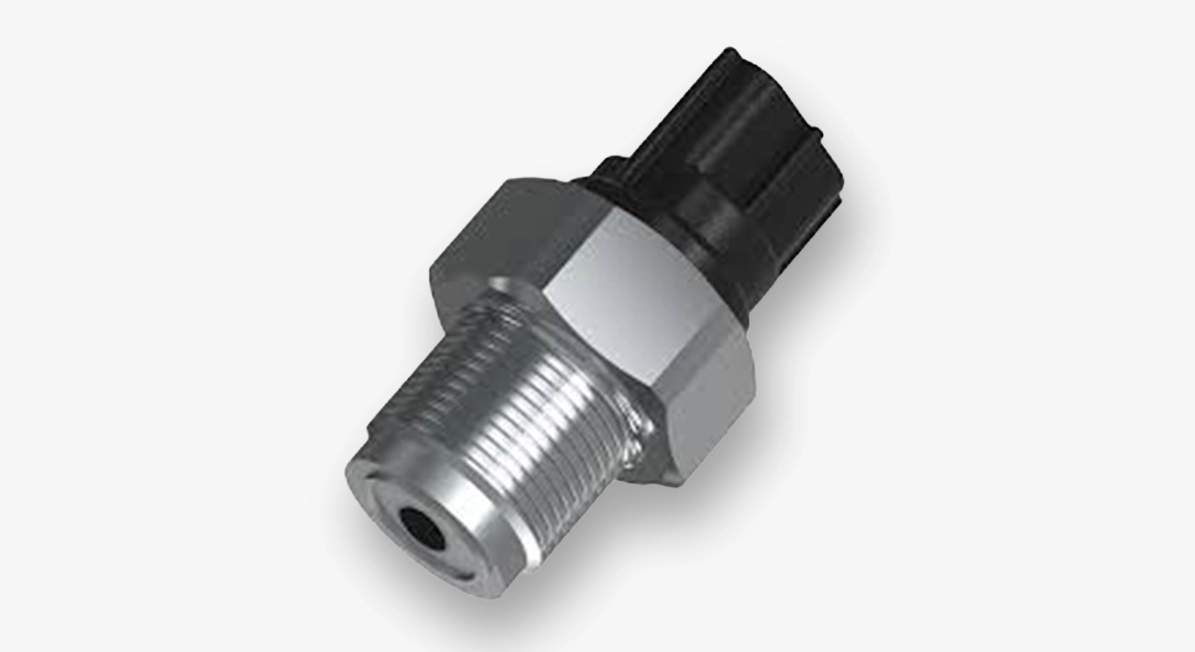
The fuel rail pressure sensor is a vital component of the vehicle’s electronic system, and it measures the fuel pressure in the fuel rail and transmits ongoing data to the Engine Control Unit (ECU). The ECU uses this data to adjust fuel injection timing and duration, ensuring your engine receives the exact amount of fuel required for varying driving conditions.
From heavy load towing to driving on the freeway, this sensor assists the engine in running in an efficient manner. However, the performance will be affected in case of failure of the sensor since the ECU will receive wrong information from the sensor.

Spotting these signs may warrant further scrutiny of your fuel rail pressure sensor symptoms.
Hard Starting or Engine Stalling
If the sensor is malfunctioning, it might send a wrong signal, and the ECU might not supply the right amount of fuel during ignition. This could lead to a situation where the engine cranks but doesn’t start, or worse, the motor could switch off without warning when idling because it has no fuel.
Significant Loss of Power
When you press the accelerator, you expect your vehicle to respond immediately, but inadequate power during acceleration could mean that your fuel rail pressure is incorrect. If the ECU is not receiving the right inputs about the needed pressure, it cannot correct the amount of fuel injecter, thus causing sluggishness.
Reduced Fuel Economy
The faulty fuel pressure sensors can compel the ECU to overestimate or underestimate the requirements of the fuel. In many cases, a bad sensor forces the engine to run “rich”—meaning it burns more fuel than necessary. Thus, one could observe an increased number of visits to the gas stations.
Misfiring and Hesitation of Engine
Irregular readings of the fuel pressure sensors create inconsistency in the timing of fuel injection. Consequently, there is misfiring of the engine when there is a break in the combustion process. As such, one could experience a pressure drop in the consistent movement.
Check Engine Light( CEL)
Newer computerized vehicle systems are sophisticated enough to detect any malfunctioning of sensors. Therefore, if the ECU records zero voltage readings of the fuel pressure sensor, it activates the Check Engine light. Often, scanning the vehicle would produce a certain Diagnostic Trouble Code (DTC) of the fuel pressure system.

Many people get confused between the fuel pressure regulator and fuel pressure sensor. While both are necessary for fuel flow, they work differently.
Symptoms of fuel pressure regulator failure often include excessive exhaust manifold emissions, which show that the fuel mixture is overly rich, and fuel odor, which is typically the result of a broken diaphragm in the fuel pressure regulator. If the sensor is replaced and the regulator has failed, fuel pressure will remain irregular.
If you have determined that the issue lies with the fuel rail pressure sensor, you must take the appropriate measures to conduct the repairs.
Finding the Sensor
To find the fuel rail pressure sensor, you should refer to your manual for the location. Typically, the fuel rail pressure sensor is attached to the fuel rail, which is a pipe that delivers fuel to the injector system. Always refer to the owner’s manual; the exact location may differ from brand to brand.
Steps for Replacement
It cannot be overstated how important it is to ensure that all equipment used in the repair of fuel systems must be of unrivaled quality. High-performance hardware must always be used when doing repairs on these systems. High-performance Tracktech Fasteners will ensure long-lasting durability when it comes to fuel rail and sensor mounting.
The fuel pressure sensor might be a tiny device, but its significance cannot be ignored. By keeping track of the symptoms of failure – like engine hesitation, poor fuel efficiency, and unexpected engine stalling – one can save themselves from expensive repairs later.
If you suspect that you might have a faulty sensor, be sure to get a professional diagnostic scan done and check your fuel rail pressure sensor diagram for proper repairs. When looking to run your engine efficiently, you can rely on the innovative solutions offered by Tracktech Fasteners.